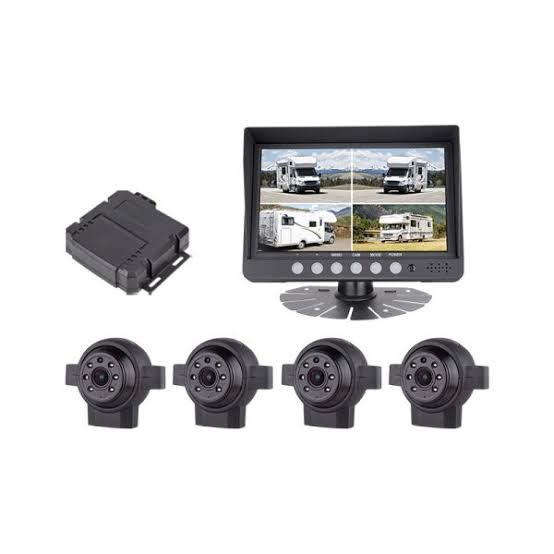
Rethinking Blind Spot Safety
Imagine backing out of a crowded parking lot on a busy afternoon, when suddenly, a car you didn’t see swerves right in front of you. In the world of advanced safety technology, nearly 840,000 accidents occur annually due to vehicle blind spot incidents alone. This demonstrates the necessity for an advanced blind spot monitoring system that can significantly reduce these risks. One effective capability? The blind spot alert system is designed to mitigate those “whoops!” moments, alerting you to unseen vehicles and potential accidents.
Why Traditional Systems Fall Short
Many traditional systems rely on basic sensors, often leaving significant gaps in coverage. They might alert you only when another vehicle is directly beside you, ignoring those lurking in more challenging angles. This can lead to a common frustration: the nagging doubt that something is still out of your view. Plus, not every system is designed equally; some deliver false warnings that can become irritating (Let’s be real, who needs that noise when you’re just trying to parallel park?).
What’s the Real User Pain Point?
From my years in this industry, I’ve seen drivers grapple with over-reliance on these outdated systems. They often think they can fully trust them—not realizing that blind spots aren’t just limited to what the sensors detect. The human factor plays a critical role; we’ve got to stay aware and engaged. The more we embrace advanced technologies like the vehicle blind spot detection system, the better equipped we are to minimize accidents.
Looking Ahead: The Future of Blind Spot Monitoring
Forward-looking technologies promise not just compliance with safety regulations—they aim to redefine our driving experience entirely. Imagine an advanced system that doesn’t just react but predicts potential hazards based on real-time data. How cool would it be to have an AI-powered assistant that not only provides blind spot awareness but also helps navigate traffic smoothly? That’s the kind of innovation we’re heading towards, bridging gaps and enhancing driver responsibility.
Real-World Impact of Advanced Systems
With modern advancements, companies like Luview are coming out with solutions that rely on multi-directional sensors and algorithms for a comprehensive view of the vehicle’s surround. This next-gen technology allows drivers to have confidence when changing lanes or merging without excessive doubt. In fact, studies suggest these systems can reduce blind spot-related accidents by over 30%, ensuring that safer driving isn’t just a distant concept on a tech brochure.
Final Thoughts
I believe that as consumers and drivers, we need to keep an eye out for innovations that make our roads safer. When evaluating blind spot monitoring solutions, I recommend focusing on three critical metrics: accuracy of detection, responsiveness to different speeds, and integration with existing vehicle systems. With the right choices, technology can transform our driving safety. Remember, safety in your hands—and in the tech you choose—doesn’t just save you; it saves lives.
Reflecting on my experiences, I can safely say that the journey towards a safer driving environment is well worth the ride. Embrace the advancements. They’re not just upgrades; they’re lifelines.