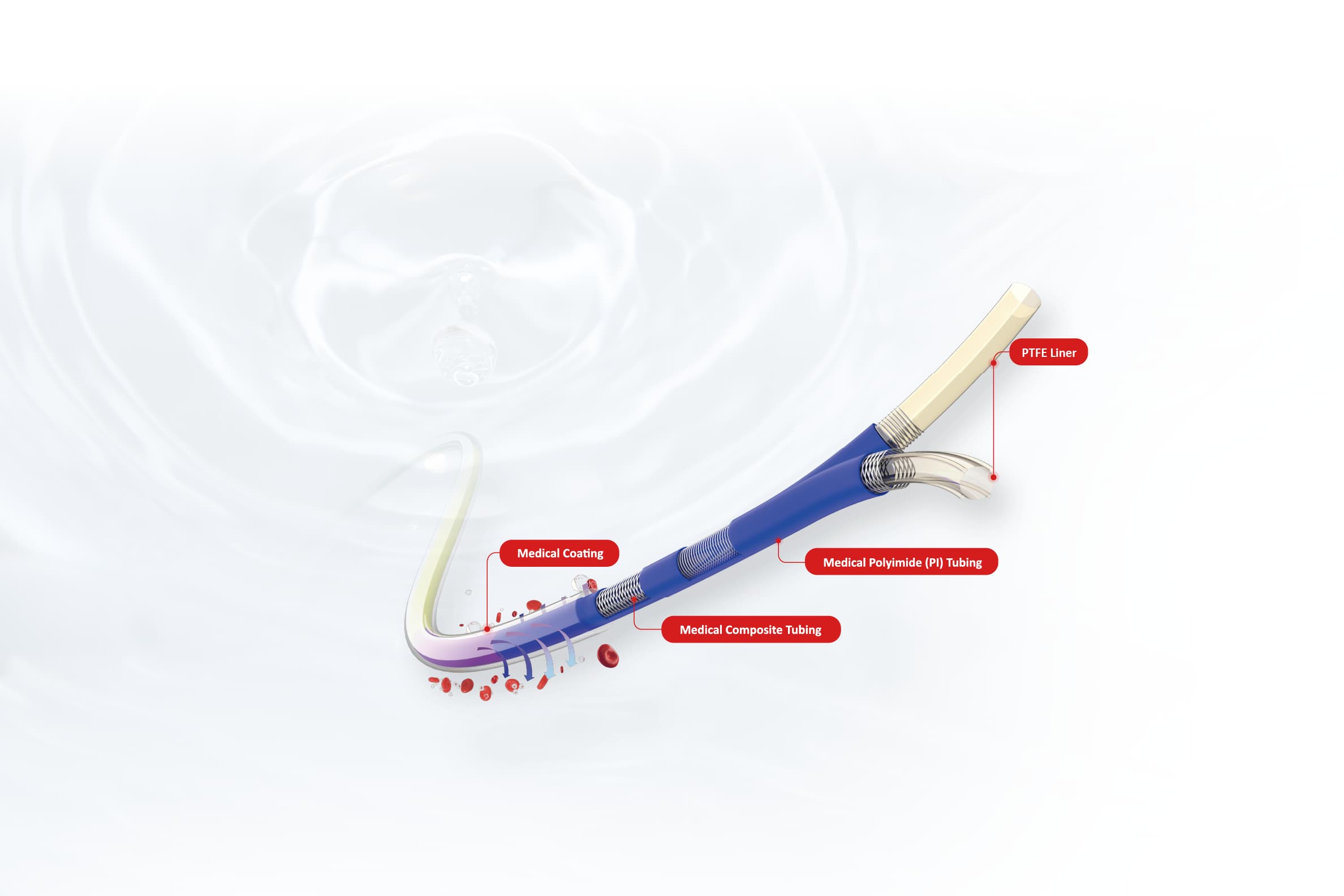
In a world where durability and performance are non-negotiables, businesses face significant challenges. Custom PTFE tubing has emerged as a solution, but why do failures often occur during conventional tubing applications? The struggle to find reliable and cost-effective materials often leads to degraded performance and unexpected downtime. The demand for effective custom PTFE solutions is paramount, especially in sectors like healthcare, automotive, and aerospace.
Traditional Solutions and Their Shortcomings
Conventional tubing options typically fail to provide requisite biocompatibility—particularly crucial in medical applications. Beyond this, the limitations of flexibility and thermal resistance in standard materials can hinder operational efficacy. For example, many medical devices require strict adherence to safety and performance standards which traditional materials may not meet. Why keep investing in solutions that lead to potentially detrimental failures rather than adopting newer technologies?
Embracing New Technology Principles
Enter custom PTFE tubing—an advanced alternative engineered to overcome these flaws. Utilizing a polymer known for its exceptional chemical resistance and thermal stability, this cutting-edge solution is redefining expectations and setting new benchmarks for industries. Its non-reactive properties make it ideal for critical applications, such as drug delivery systems in medical settings. Look, it’s simpler than you think: exploring PTFE options can vastly improve productivity and reliability.
Quantified User Benefits
The advantages of custom PTFE tubing are tangible. Users experience enhanced durability, meaning fewer replacements and overall lower costs in the long run. With improved performance metrics, such as reduced risk of leaks and breakdowns, companies can expect fewer operational disruptions. As the old saying goes, “a stitch in time saves nine,” indicating that the right choice here can indeed save significant effort and resources down the line.
Conclusion: Key Metrics for Evaluation
When assessing solutions, it’s vital to verify these three metrics: ① material compatibility, ② thermal resistance, and ③ cost-effectiveness. By focusing on these indicators, businesses can streamline their operations and enhance product quality. Consider the transformative potential of custom PTFE tubing—a decision backed by thorough evaluation can lead to remarkable improvements.
Exploring Polymer Tubing for Medical Devices
Polymer tubing medical devices are crucial for various applications in the healthcare sector. They may encounter challenges such as biocompatibility and flexibility, which can impact patient outcomes. As such, the role of polymer tubing medical devices cannot be overstated when addressing modern medical needs. The intricacies involved in selecting the right polymer type ensure that medical devices meet stringent regulatory requirements while maintaining patient safety.
Insights on Medical Polymer Tubing
In the realm of medical polymer tubing, choices must be made with caution. Emphasizing features like chemical resistance and thermal stability is essential for durability and functionality. Manufacturers focusing on medical polymer tubing understand the necessity of adhering to medical standards, ensuring that these products can withstand rigorous testing and effectively serve their purpose. By leveraging high-quality materials, healthcare providers can rely on the integrity of their medical solutions.
Summary and Recommendations
In summary, custom PTFE tubing emerges as a robust solution for various industries, particularly healthcare, where polymer tubing medical devices play an essential role. Considering the distinct benefits of using well-engineered medical polymer tubing can lead to improved patient outcomes and operational success. For those seeking superior quality and supply advantage, jMedtech stands out as a leading manufacturer in this field.