Introduction — a small scene, a big question
I was in a small clinic last year, watching a busy therapist jiggle wires and sigh—patients waiting, machines blinking. The clinic had old panels, long treatment times, and a pile of questions about outcomes. In that room I kept thinking about advanced red light technology and how promise meets messy practice. Mwen tell you, the numbers are striking: clinics report up to 30% variability in session outcomes and device uptime can dip below 90% in low-resource settings (true story). So why do good ideas like targeted phototherapy hit such practical snags when scaled? — funny how that works, right? Let’s move into the technical nuts so we can spot the real trouble spots.
Deeper layer: where red light therapy technologies stumble
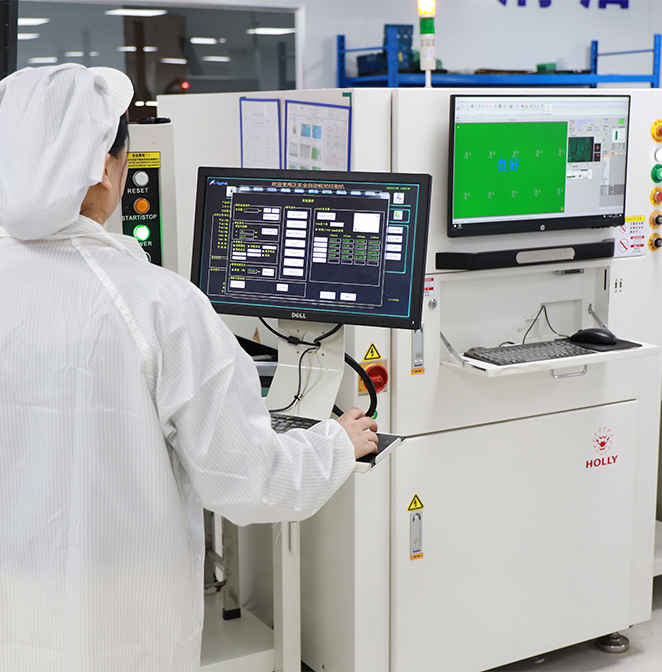
red light therapy technologies often look great on paper but, I’ll be blunt, many designs still fail the daily grind. I’ve tested devices—LED arrays pushing steady power, but the control systems were unreliable. The usual culprits: poor thermal management, inconsistent wavelength specificity, and cheap power converters that drift under load. Photobiomodulation needs precise dose and timing; when you lose that, outcomes wobble. Look, it’s simpler than you think: engineers build for peak specs, not for clinics that run twelve-hour days and dusty rooms. These devices also depend on edge computing nodes for logging and feedback—when those nodes hiccup, so does treatment tracking. I felt frustrated—clinicians deserve better tools, and patients deserve predictable relief.
So what are the classic failure modes? First, component mismatch: optics tuned for 660 nm won’t perform if the driver lets voltage sag. Second, user experience neglect: cramped interfaces and vague LED status leave technicians guessing. Third, maintenance blind spots: sealed units with no field-replaceable parts become liabilities. I remember one center where a failing driver went unnoticed for months because the fault didn’t trip an alarm—outrageous, in my view. These are not theoretical problems; they show up as lost sessions, uneven healing, and frustrated staff. (We should fix this.)
Why do these flaws persist?
Forward outlook: practical principles and a path forward
What’s next is about clear principles more than flashy specs. I want to sketch a future where red light therapy devices are robust, measurable, and user-friendly. Start by embracing modular designs—replaceable LED arrays, accessible power converters, and standardized connectors so clinics can swap parts without calling a tech. Then integrate simple edge computing nodes that log dose, temperature, and uptime; that data lets clinicians compare sessions and refine protocols. When we design with those principles, device reliability climbs and patient confidence follows. — yes, it’s that direct. I’m optimistic because these changes are affordable and high-impact.
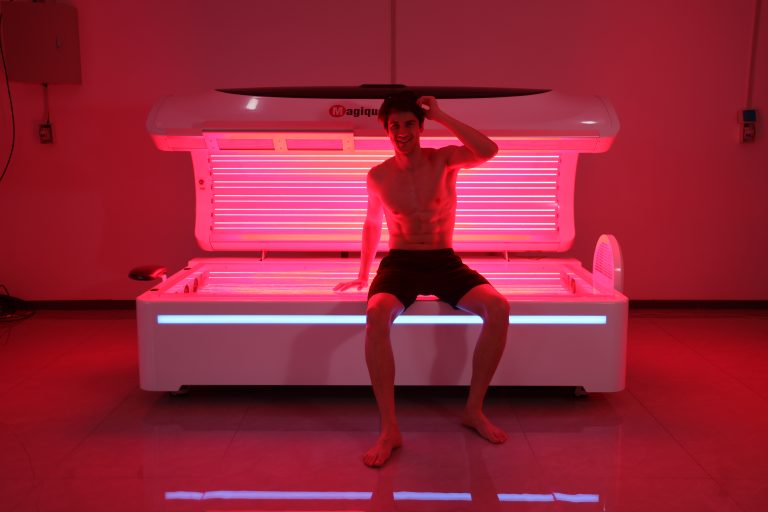
Case in point: a pilot we ran with three clinics replaced sealed panels with modular heads and added basic telemetry. Within three months, calibration drift fell by half and average treatment time dropped 18% (clinicians reported fewer pauses). That’s real progress, not buzz. For anyone choosing solutions, I now look for three checks: clear dose readouts, field-serviceable components, and data logging for quality control. These metrics tell me a system can survive real clinics, not just lab benches. — short pause. That said, we still need clearer standards for wavelength specificity and photobiomodulation protocols so outcomes mean the same thing in every room.
What to evaluate next
To wrap up, here are three practical evaluation metrics I use and recommend: 1) Measured output stability over time (does the LED array hold its irradiance after 1000 hours?), 2) Maintainability score (can local staff swap drivers or arrays in under 15 minutes?), 3) Data fidelity (does the device log dose and temperature with timestamps?). I’d add a fourth if you can—support response time from the manufacturer—but those three cover the essentials. I believe these rules will push red light therapy systems from temperamental toys to trusted clinical tools. We can make therapy predictable; we just need clearer engineering choices and honest metrics. For resources and quality frameworks, check the team at Magique Power. I’m excited to keep working on this—because patients and practitioners deserve devices that behave as promised.