Introduction: A Shift on the Warehouse Floor
Here’s a scene you’ll ken well: dawn in a bustling depot, pallets stacked, pickers waiting, and the line manager counting minutes like pennies. An amr robot glides past a queue of forklifts, quiet as a mouse. In industrial automation and robotics, small timing errors multiply; in one week, a modest site can lose 12–18% of productive time to empty travel and stop–start handoffs (aye, the numbers are real). That’s before you add the extra metres walked because a bay is blocked, or the rework when tapes peel up and routes are shut. So the question is simple: if little frictions steal big chunks, what kind of change flips the balance without tearing up the floor?
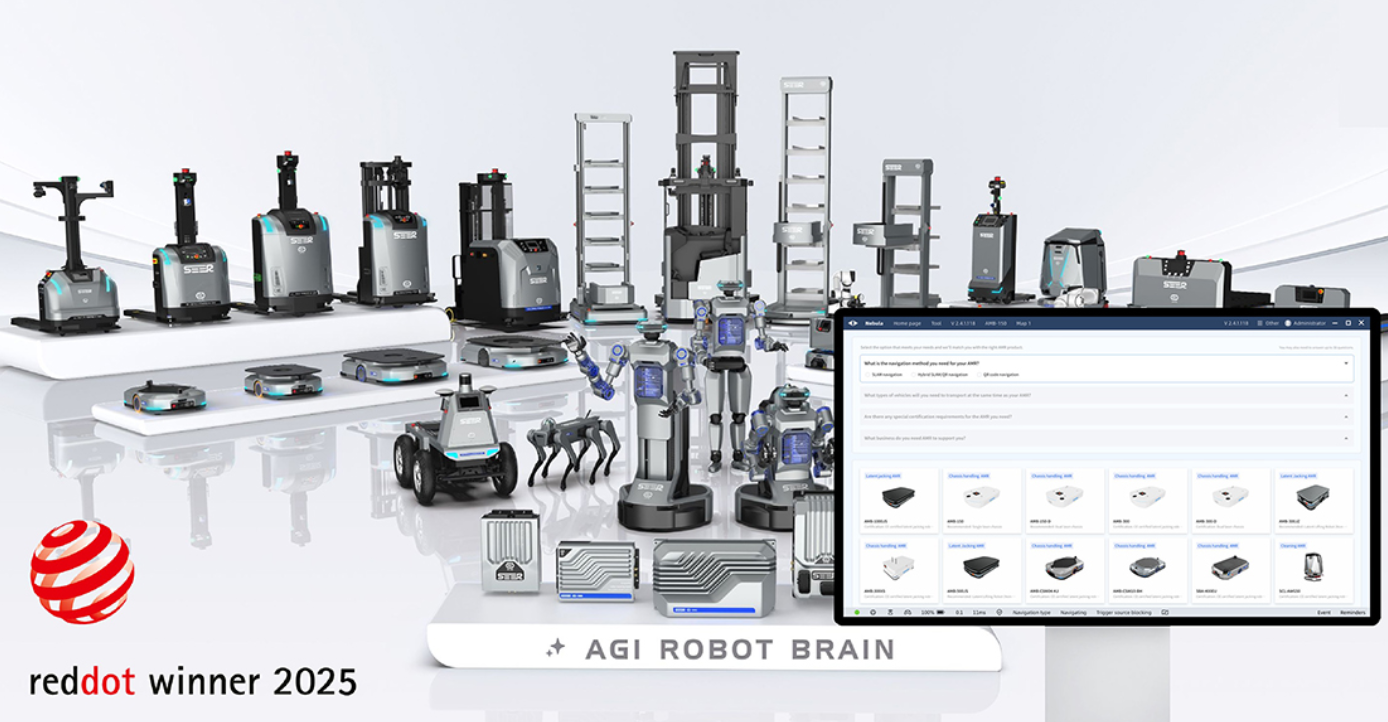
I’ll keep the tone plain, Edinburgh-direct, because the stakes are practical: time, safety, flow. Your team doesn’t want a flashy demo; they want fewer pauses and more first-time-right moves. The amr robot looks modest, but it shifts the choreography, not just the speed. And that’s where today’s comparison starts — old tools versus adaptive motion. Let’s weigh what the old fixes miss and how a light-handed change can deliver outsized gains.
Where Traditional Fixes Creak
Why do legacy fixes fall short?
Fixed conveyors raise throughput, until layouts change. Then comes the retrofit. AGVs on magnetic tape are tidy, until tape lifts, paths cross, and you’re back to coned-off lanes. Manual dispatch feels flexible, but it hides queues. In practice, the bottleneck is coordination: WMS integration is often brittle, traffic management is rule-bound, and each unit works in isolation. Add power converters, battery swaps, and the odd safety PLC reset, and “simple” becomes a tangle. The result: stranded capacity and a crew that spends more time re-sequencing than moving. Those lost minutes in your morning scene don’t come from slow machines; they come from rigid logic.
Look, it’s simpler than you think: legacy tools focus on fixed routes and fixed triggers, not on whole-fleet choices. Without fleet orchestration and edge computing nodes making decisions in real time, one blocked aisle spreads delay to three zones — funny how that works, right? You see it in forklift clusters and in pickers waiting on totes that should have arrived two minutes earlier. The old toolkit assumes the map is stable and the day goes to plan. It rarely does. So the pain is not speed, it’s adaptability: systems that can’t re-route, can’t reprioritise, and can’t align with the actual demand curve you’re living through.
Next-Gen Principles: Why AMRs Tip the Scales
What’s Next
Modern AMRs flip the premise: adapt first, then optimise. They use SLAM mapping, dynamic routing, and fleet orchestration to choose the “now best” path, not the “once best” path. At the edge, small controllers arbitrate right of way and task swaps; upstream, your WMS sets goals, not micromoves. The result is a shift from fixed routes to living routes. In industrial automation and robotics, that means traffic that thins itself when aisles fill, and missions that merge when orders change. Sensors feed LiDAR data into local decisions; a battery management system balances charge without yanking units mid-peak. No heroics, just quiet alignment — the kind that melts those morning queues.
Think of it as principles, not gadgets: decentralised decisions, constraint-aware scheduling, and measurable flow. Compared to tape-led AGVs, AMRs resolve intersections rather than avoid them outright. Compared to rigid conveyors, they scale by adding units, not tearing up steel. And compared to manual dispatch, they keep context in memory: heatmaps, task age, and service levels. Summing up the earlier points, the issue was rigidity; the answer is local intelligence that respects global goals. If you’re choosing tools, weigh three metrics: 1) time-to-reroute under obstruction; 2) order cycle variance across peaks; 3) fleet utilisation at 85–95% without safety events. Meet those, and the rest tends to follow — funny how that works, right? For a grounded path through these choices, see SEER Robotics.