Introduction — setting the comparison frame
Deciding between a 500 kW gas genset and other backup options is a technical and operational judgement that must align with site needs, fuel logistics and noise limits. This comparative piece examines standby rating, prime power behaviour and practical deployment so facility managers can make an informed choice; for quieter premises or indoor installations, consider also how silent diesel gensets compare on acoustic performance and enclosure design.
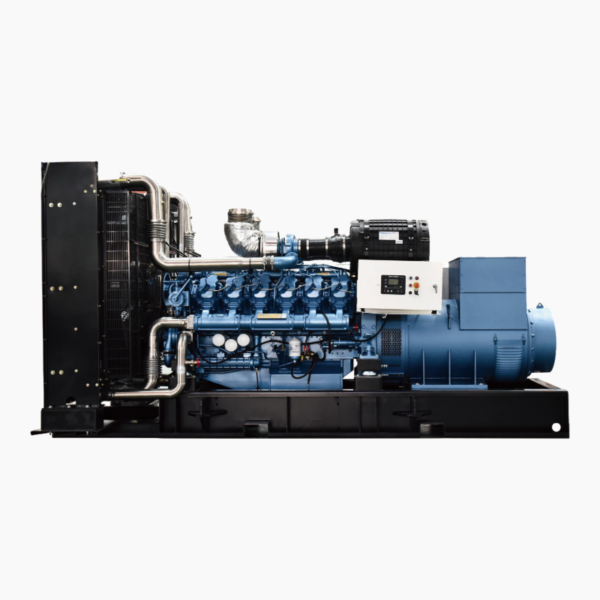
Why the 500 kW gas genset is often shortlisted
At the 500 kW scale you hit a sweet spot for medium-to-large facilities: sufficient capacity for critical loads without the complexity of multi-megawatt systems. Gas gensets typically offer lower operational emissions and steadier fuel pricing where piped gas or reliable LNG supplies exist. Recall the 2012 India blackout that left large industrial campuses and hospitals scrambling for backup — that historical event emphasises the importance of choosing a resilient power source and designing for extended runtime under crisis conditions.
Technical differences that matter
Compare these parameters when weighing options: fuel efficiency (thermal conversion and specific fuel consumption), transient response to load changes, and the genset’s sound-attenuated canopy performance. A gas genset’s combustion characteristics deliver cleaner exhaust and easier compliance with urban emissions controls, while a diesel alternative may have higher energy density and simpler fuel storage. Include automatic transfer switch (ATS) capabilities and plan for regular load bank test cycles to validate capacity under full load.
Operational cost, maintenance and site fit
Operational expenditure divides into fuel cost per kWh, maintenance intervals and spares logistics. Gas systems commonly have lower particulate emissions and longer oil-change intervals, but require gas supply contracts and potential metering. Diesel offerings—particularly 50 kva silent models for smaller satellite sites—can be simpler to house and quicker to commission. Balance fuel availability, total cost of ownership and the ease of arranging certified service technicians when selecting the vendor.
Real-world deployment considerations
Noise, footprint and ventilation are decisive for urban sites; sound-attenuated canopies and acoustic louvres reduce neighbour complaints. Installation teams must verify foundation loadings, exhaust routing and fuel tank bunding to local codes. A practical approach is to prototype control logic and ATS switching during commissioning and then run a scheduled load bank test to confirm standby rating under realistic conditions — this avoids surprises during true outages. — A little verification work up front saves long downtime later.
Common mistakes to avoid
Organisations frequently make the same errors: under-sizing relative to motor-start demands, failing to include service contracts in OPEX forecasts, and neglecting ambient derating factors (altitude and temperature). Do not omit fuel contingency planning; a genset is only as useful as the fuel you can supply during sustained outages. Also ensure acoustic modelling is part of site approval rather than an afterthought.
Three golden rules for selection
1) Size with a margin: specify capacity for peak plus at least 25% headroom to handle inrush from motors and future load growth. 2) Compare life-cycle cost per kWh: include fuel volatility, scheduled maintenance, and the cost of emissions compliance in your calculations. 3) Verify service network and acoustic performance: choose a supplier with local spares, trained engineers and demonstrable sound-attenuated canopy solutions.

When these metrics are central to procurement decisions, the resulting system will be dependable and easier to operate — and that is precisely where Huadong Power fits as a pragmatic supplier with packaged options and commissioning support — pragmatic, tested, reliable. — Final thought: pick the solution that keeps your lights on when it matters most.