Why This Shape Changes How We Choose
I was at a small boutique, late afternoon, the kind with warm lights and slow music. The clerk slid a tester across the counter, a round perfume bottle that sat smooth in the palm. My friend liked the scent, yes, but she decided by the feel—by how steady the curve felt between finger and thumb. In many shelves, up to 70% of first picks come from form, not formula (retail teams whisper this, off the record). So, what are we really buying—scent, or the silhouette that guides the hand?
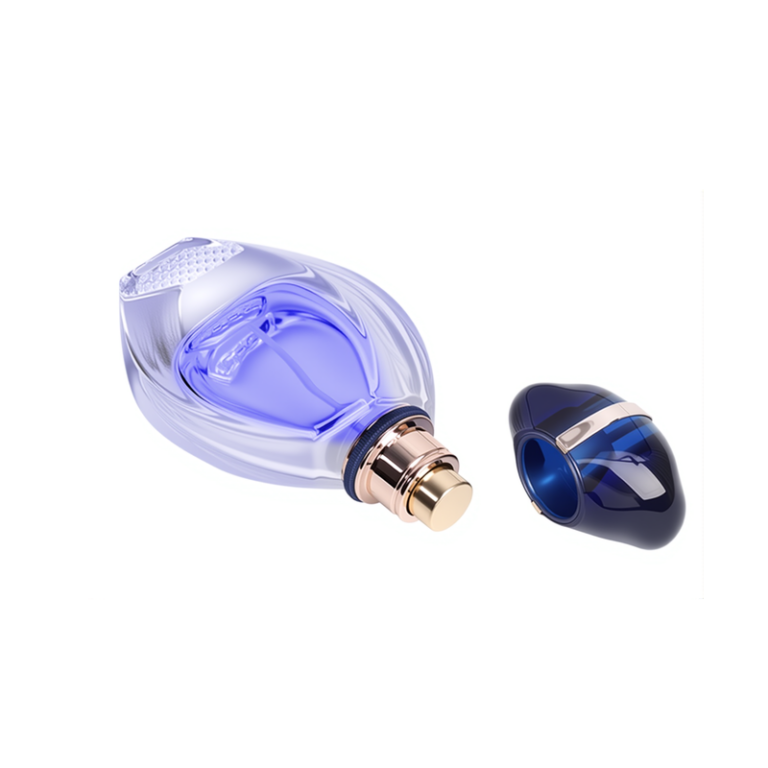
In Portugal we’d say devagar se vai ao longe, slow and steady gets you there, and that’s true for design too. The round profile looks timeless. It stacks well. It photographs clean. But do you know why brands still debate it—why they tweak weight, wall thickness, and cap to get it right? Behind the glass are hard choices: stability, drop resistance, and how the pump sits on the neck. Is the bottle ergonomic in use, or slippery under a quick spray? Will it ship safely without chipping the lacquer ring? All these little things—pois—tell the story of the user’s first week with the bottle. Let’s compare shapes and get to the heart of the curve next.
The Hidden Friction Behind a Glossy Curve
Where do things go wrong?
Let’s get technical for a moment. When you choose a perfume round bottle, you’re choosing how the atomizer aligns, how the cap locks, and how the base resists a sideways nudge on a crowded vanity. Look, it’s simpler than you think—and trickier too. A round profile can magnify small tolerances. If the neck finish (think FEA 15 or crimp-ready) is off by half a millimeter, the pump sits skewed, and the spray arc gets odd. If the shoulder height tolerance drifts, your collar gaps. That gap looks like a flaw even when the glass is pure. Change the curvature a bit and center-of-mass moves; now topple risk goes up when the cap is heavy. Funny how that works, right?
Users feel this in small pains. Slippery glass when hands are damp. Caps that wobble. A base that rings on marble because the punt is too shallow. Designers feel it too: crimping torque becomes a dance; one notch more and you bruise the collar, one less and the pump rotates. Decoration adds more friction. Screen printing can band if the radius is tight. UV lacquering may chip at the contact points. And if you go frosted, fingerprints hide, but drop tests get risky unless annealing is spot on. These are not deal-breakers. They’re cues. Round is elegant, but the fit between pump, gasket, and collar must be tuned like a small machine.
Forward-Looking Principles and Practical Choice
What’s Next
Now to the future, and how the round silhouette levels up. New glass blends and process control change the game. Plants are tuning wall thickness with better mold venting and real-time vision systems, so bases stay thick for stability while shoulders slim down for weight savings. Ion-exchange strengthening can raise impact resistance without bulky walls. PCR glass ratios are climbing, and the haze that once plagued decorated rounds is easing with improved cullet sorting. For printing, digital ceramic inks and UV-curing lower distortion on tight radii; laser etching adds detail without pressure on the curve. Put simply: the round form keeps its grace, while engineering reduces the slip-ups. If you’re comparing suppliers, a seasoned china round perfume bottle supplier will show SPC charts for neck finish and base runout—not just pretty renders.
There is also the pump story, because usability rides on it. New low-force actuators with refined spring rates feel softer on a rounded grip. Gasket materials have moved from basic nitrile to better elastomers for scent stability. Crimp systems use improved jaws to control ovality on circular necks, while screw pumps with micro-threads reduce over-torque. Decoration, too, is smarter: soft-touch coatings with better abrasion ratings, and water-based lacquers that don’t fog over time. The net effect is simple to a user and complex in the build—less wobble, cleaner spray, and a bottle that stays upright after you tap the counter. Small wins stack.
Let’s close with something you can use tomorrow. First, measure dimensional control, not just beauty; ask for neck finish tolerance maps and cap pull-off force data. Second, test handling on wet skin; a round bottle should keep grip with or without coating, so request COF numbers and real drop test videos. Third, check decoration durability at the curve; demand rub counts for screen or digital prints and edge-chipping rates near the collar. With those three metrics—precision, grip, and durability—you’ll see past the gloss and choose on proof. It’s still a round profile, yes, but shaped by better rules and kinder touch. Advisory in tone, real in practice. And if you want a reference point for what good looks like in this space, you can always benchmark against NAVI Packaging.