Introduction: How Clear Sound Holds a Room Together
Definition first: an interpretation chain is a real-time path from floor microphones to interpreter consoles, to encoders, to IR/RF distribution, and finally to headsets. An interpretation system ties these parts into one low-latency, low-error workflow. At a hybrid summit with 1,200 people and 10 languages, a modern simultaneous interpretation system rides on tight timing, clean spectrum, and consistent levels (no surprise there). Yet even a small delay spike—say 250–300 ms—can raise cognitive load by double digits and break speaker cadence. If 8 channels share a crowded RF spectrum, packet loss and jitter creep in. So the question is simple: how do you keep speech natural, accurate, and on time, end-to-end? We’ll map the bottlenecks, compare options, and show where newer designs change the outcome—then point to what to measure next.
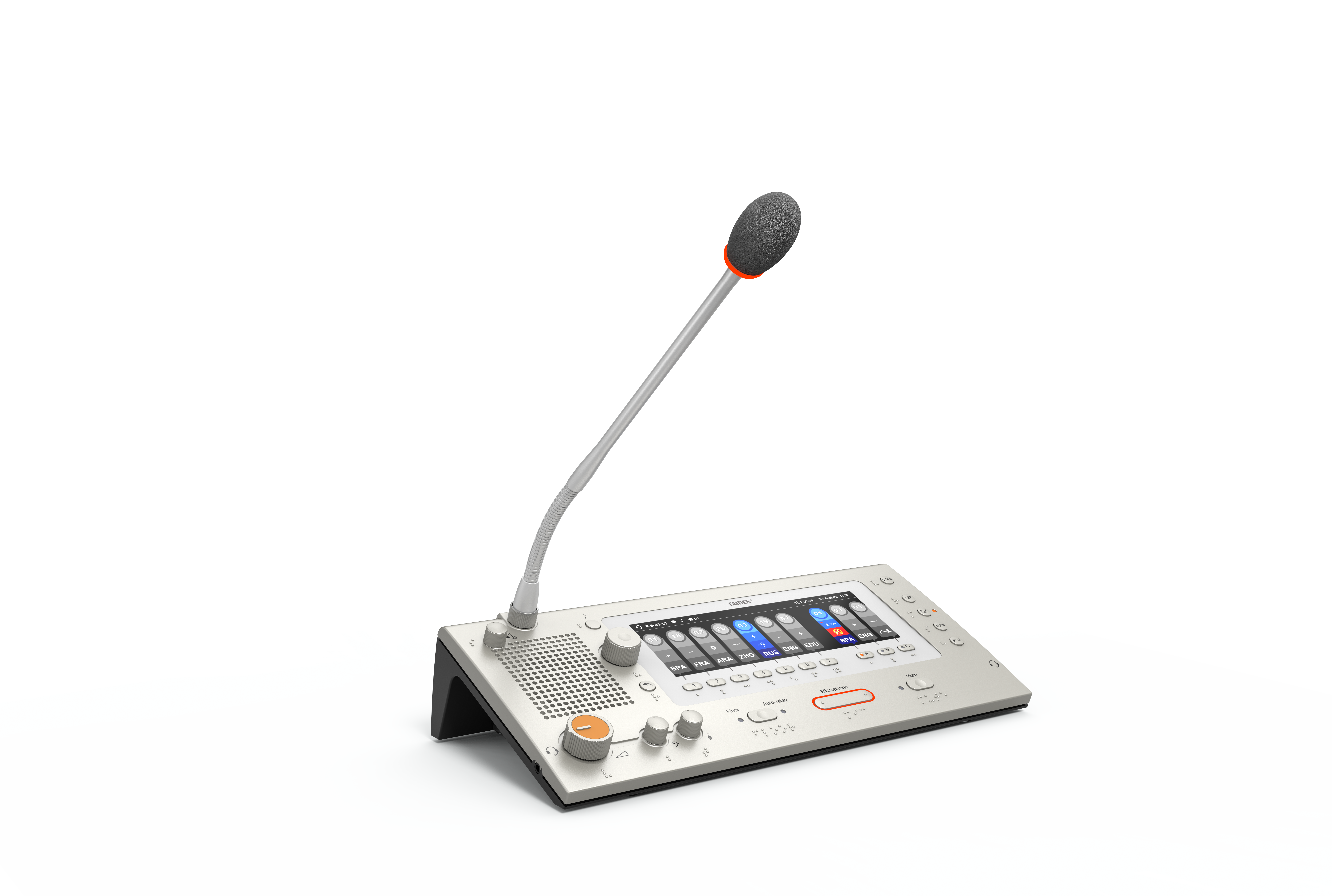
Where Traditional Systems Fall Short
Why do legacy setups break down?
Old stacks were built for single-room events with predictable lighting and fixed seating. Direct, here: that world is gone. Legacy IR radiators need clean line-of-sight; modern LED walls and stage truss create reflection nulls and dropouts. RF-only rigs fight congestion when Wi‑Fi, intercoms, and cameras crowd the same bands—funny how that works, right? Add a thin audio codec, and you get harsh consonants and listener fatigue. The DSP pipeline also matters: if automatic gain control hits before noise reduction and de-esser, speech pumps and sibilance bites. And your latency budget? It gets burned by daisy-chained converters and unmanaged switches. One more hidden risk: single power converters feeding multiple racks without failover. A $20 part can take down 8 languages in one blink.
Hidden user pain points compound the tech flaws. Channel mapping on handheld selectors is inconsistent across rooms; users flip between “2” and “French” and lose context. Booth cooling is noisy, so interpreters ride the faders to mask fan rumble. Floor audio has poor isolation from stage monitors, adding echo into the return feed. Look, it’s simpler than you think: most failures are small compounding delays and level mismatches. Tight RF coordination, clean DSP order, and deterministic network paths beat ad‑hoc fixes. But you need tools—spectrum planning, headroom targets, and real alarm telemetry—to hold the system stable when the room changes fast.
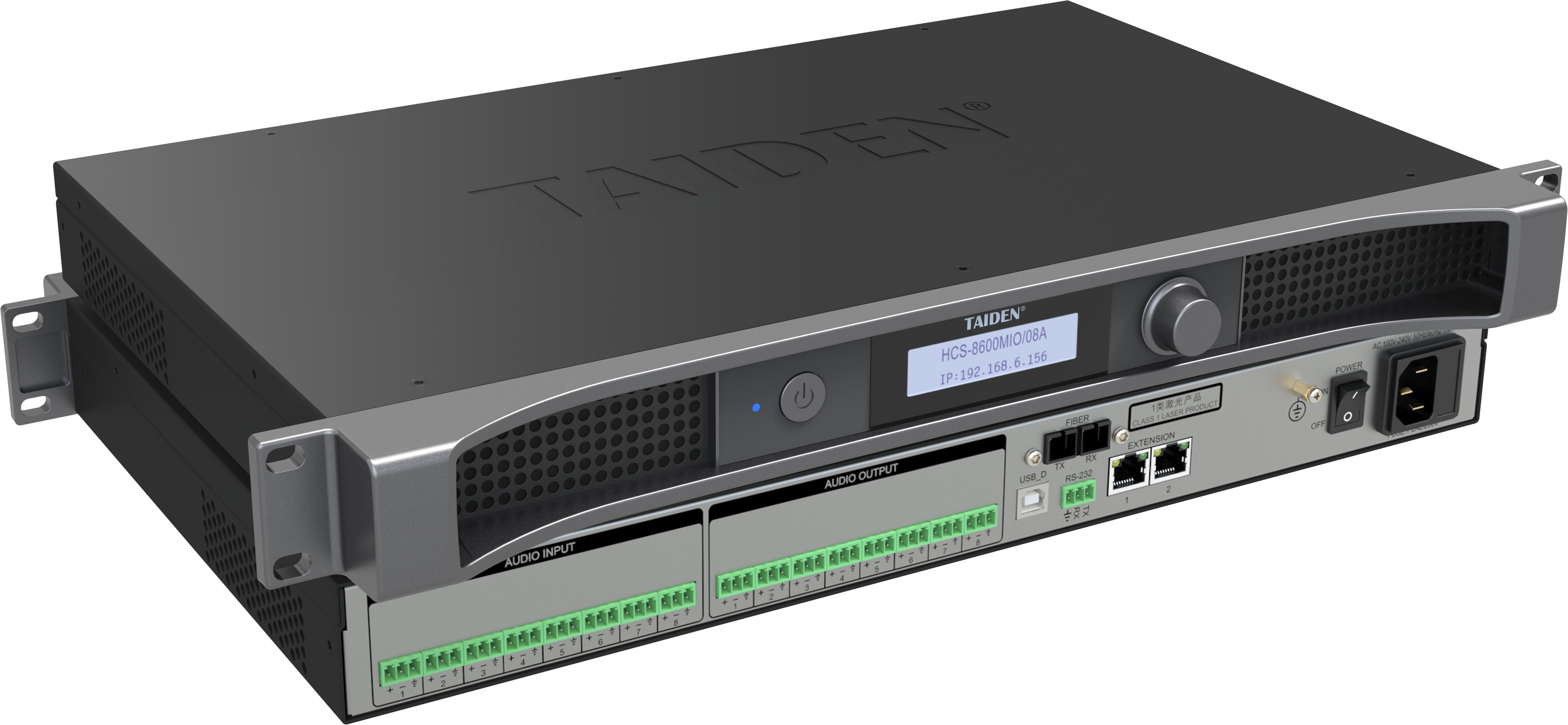
New Principles, Real Gains
What’s Next
Forward-looking designs take the weak links and make them measurable. Digital IR with better modulation depth improves signal-to-noise ratio under bright stage lighting; adaptive power steps keep coverage without cooking the room. On RF, coordinated hopping across clean subbands plus error correction (FEC) reduces dropouts when traffic surges. Edge mixing at booth-side nodes trims the round trip, and a smarter DSP chain (noise suppression, de-esser, then AGC) protects clarity. When your simultaneous conference interpreting equipment runs on an AoIP backbone (AES67) with QoS queues, jitter buffers stay steady—even during stream handoffs. Redundant trunks, hot‑swap power, and watchdogs make failures graceful. And yes, auto-calibration beacons can set radiator tilt and zone levels in minutes—not hours—so changeovers stay on schedule.
Comparatively, rooms that move from analog-first to networked stacks report lower packet loss, smoother handoffs between overflow spaces, and fewer “what channel am I on?” calls. The big shifts aren’t magic; they’re discipline: RF/IR coexistence plans, deterministic latency, and telemetry dashboards that show SNR, headroom, and interpreter return levels at a glance. You cut manual gain rides, shave 80–120 ms off the path, and reduce fatigue in both audience and booth. The bonus—less battery swapping thanks to efficient headsets—pays back in labor. Advisory close: when you evaluate solutions, check three metrics. One, end‑to‑end latency budget under 150 ms with live load. Two, channel isolation at or above 80 dB plus stable SNR in worst seats. Three, failover time under 1 second across power and network links—because interruptions don’t wait for you to troubleshoot. Learn these, and the rest follows—funny how that works, right? Brand to watch in this space: TAIDEN.