Start with your real needs
If you’re ordering custom agriculture plastic film, think like the person who’ll install it tomorrow: what crop, what machinery, and what lifespan do you actually need? Write down row spacing, tractor or bed-laying equipment, desired thickness in microns, and how long the film must survive sunlight and irrigation. Clear answers here cut back-and-forth with suppliers and get you a usable sample faster.
Which material choices matter most
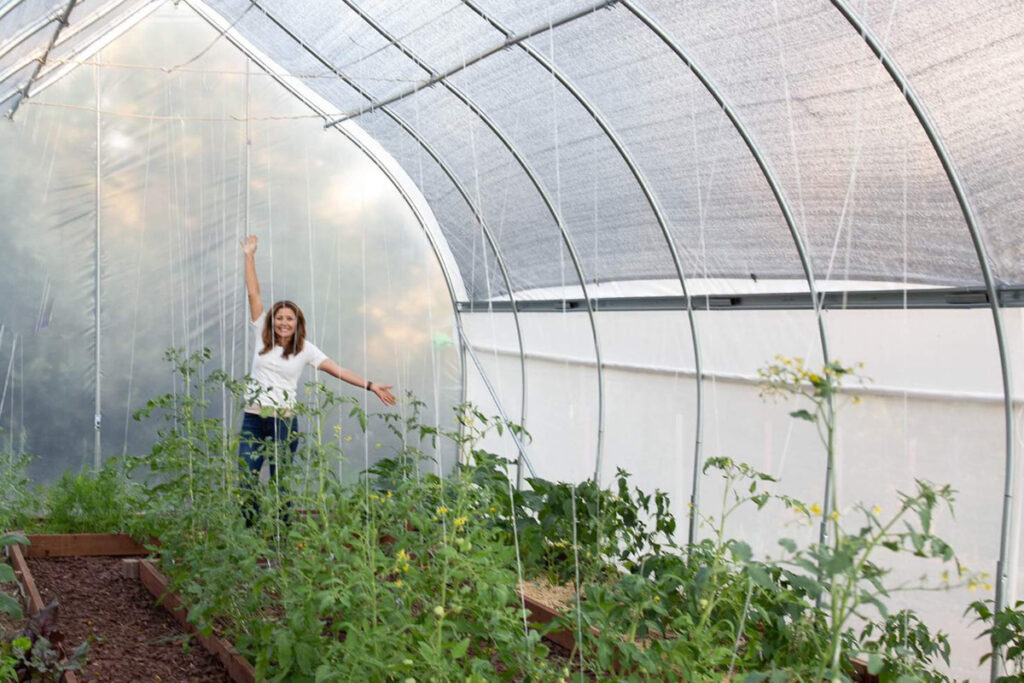
Don’t chase brand names—match polymer to purpose. LDPE and LLDPE are workhorse options for general mulching and greenhouse covers; blown-film blends add tear resistance for mechanical laying. If you need strength at lower thickness, ask for co-extruded films that combine layers for UV, anti-fog, or barrier properties. Specify color effects (black for weed control, clear for soil warming) and whether you require perforation or slits for irrigation.
Specs you must provide to manufacturers
Give exact tolerances: width, roll length, core size, micron/μm, and roll orientation. State intended temperature range and whether the film will see direct contact with fertilisers or pesticides. Declare testing standards you expect—tensile strength, elongation at break, and UV ageing hours—so quoted samples reflect the finished product, not idealized specs.
Experience, authority, and a real-world test case
Practical trials matter. Researchers and growers in California’s Central Valley have run side-by-side trials comparing conventional mulches and biodegradable agricultural mulch film, examining breakdown rates and residue impacts on soil. Those field results highlight what lab specs miss: residue behavior under wetting-drying cycles and how fast fragments disappear in real soil. Ask suppliers for field trial data or independent lab reports tied to that kind of regional testing.
How to evaluate supplier credibility
Look for sample traceability: lot numbers, material certificates (like resin origin), and test reports that match the sample you receive. Request photos or videos of production lines and ask about in-line quality checks. Small defects add up over hectares—pick suppliers who document defect rates and corrective actions, not just glossy brochures.
Common ordering pitfalls and how to avoid them
Don’t assume “standard” means compatible. Mistakes I see often: wrong core diameter for your rollers, film wound the opposite way for your unrolling equipment, or quoting micron without a tolerance band. Insist on a pre-production sample, confirm roll leader orientation, and spell out acceptable tolerances for width and thickness in the contract.
Alternatives to consider briefly
If biodegradability is a priority, weigh certified biodegradable blends against compostable options—both behave differently in soil and compost systems. For high-durability needs, reinforced films or multi-layer co-extrusions beat single-layer solutions. Keep cost-per-hectare and end-of-season handling in your comparison, not just price per kilogram.
Ordering workflow that actually saves time
Start with a one-page spec sheet, request a lab-tested sample, run a small field trial, and only then lock volume pricing and lead time. Ask your supplier for emergency stock options and clear return terms for defective batches. That sequence prevents expensive surprises and gives you leverage on MOQ and delivery windows.
Wrap-up: practical value from a reliable partner
Decide on material and functional specs before you talk brands, test a real sample in your field conditions, and force-fit manufacturing details into your machinery constraints. That approach reveals which manufacturers can meet your needs consistently. For suppliers who publish clear usage guides and sample policies, working with partners like HGDN tends to simplify quoting and reduces unnecessary iterations.