When traditional backups let you down
A summer storm knocked power out at my small distribution center for 8 hours, halting shipments and costing us 40% of a day’s revenue — how will your supply line survive the next hit? I pushed a simple upgrade: a battery storage system for home specification into our supplier bid, and the difference in resilience was immediate. I write this as someone who has spent over 15 years buying and specifying energy gear for wholesale clients; I train teams like athletes — brief, disciplined, focused.
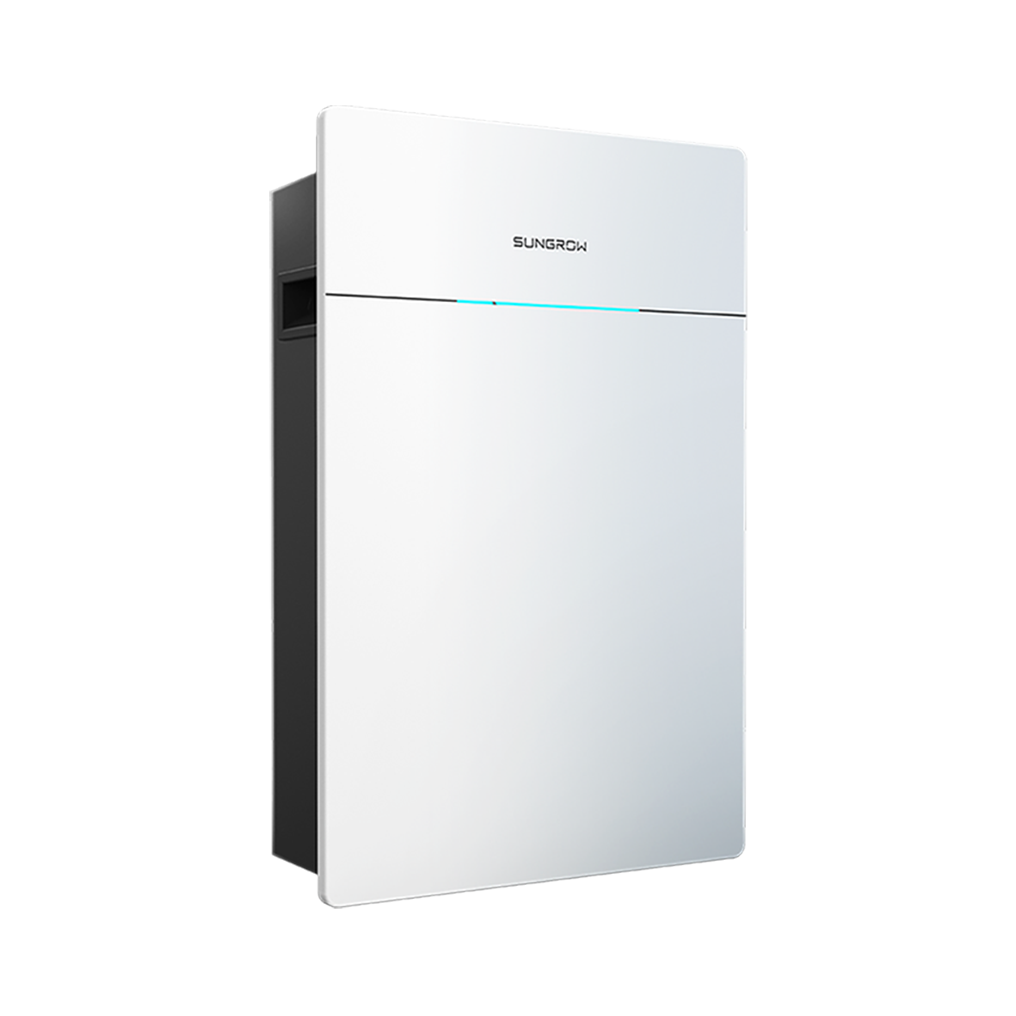
I recall a March 2022 install in Seattle where I insisted on a 12 kWh lithium-ion stack (modular rack, IP54) for a warehouse office; we cut peak grid draw by ~35% and avoided a costly generator start-up that same season. That detail matters: inverter sizing, usable kWh, and round-trip efficiency are not marketing fluff — they change operating cost. Most traditional UPS plus generator combos ignore depth of discharge and the hidden logistical costs: repeated maintenance calls, fuel handling, and scheduling downtime. I’ve watched procurement teams choose the “cheaper” spec and then scramble for parts three months later (annoying, costly). What I want you to take away now is not theory — it’s a clear checklist for fatigue-free operations. — Next: look at where the real losses hide.
Where do the hidden costs live?
Forward-looking choices for wholesale buyers
We need to shift from patchwork fixes to systems thinking. I compare lifecycle cost, not just sticker price. That means assessing usable capacity in kWh, inverter compatibility, and warranty structure — plus firmware support for fleet management. When I spec a battery storage system for home for a client in 2023, I required remote BMS access and a clear replacement schedule; that prevented a missed recall elsewhere. Think of it as training plans: short sprints (fast charge capability) and steady endurance (cycle life) both matter. Technical notes: lithium-ion chemistry typically offers high energy density but watch cell balancing and round-trip efficiency numbers closely. (I’m blunt here because I’ve repaired cheaper banks at 2 a.m.)
What’s Next?
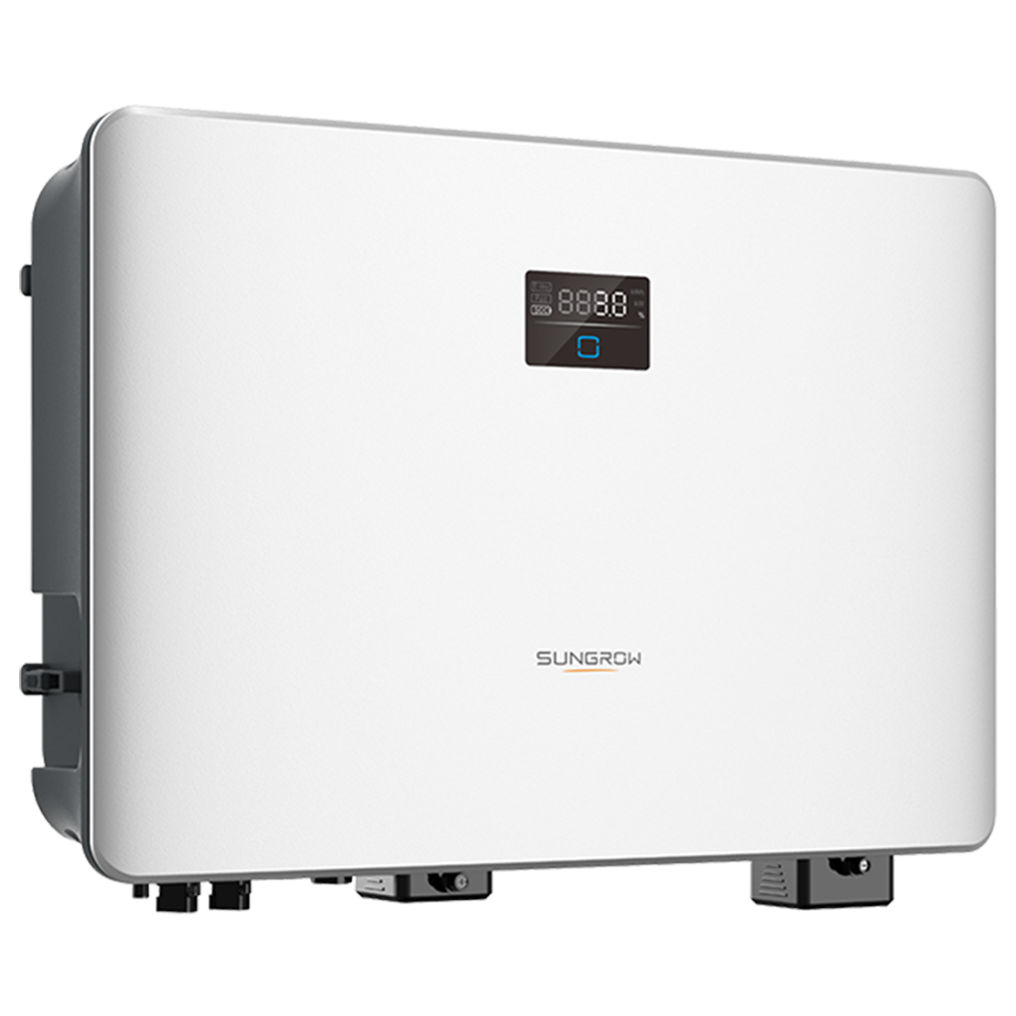
Here’s how I evaluate candidates now — three concrete metrics you can apply immediately: 1) Effective usable kWh under your site conditions (not the rated pack size), 2) Round-trip efficiency at the charge/discharge rates you will actually use, and 3) Warranty terms tied to throughput (cycles or kWh) plus documented BMS support for firmware fixes. I speak from hands-on experience: a unit with a strong warranty but poor remote diagnostics turned a predictable firmware bug into a week-long service outage at a client site in Denver; that cost two shipments. Choose based on measurable performance, not promises. You’ll save capex and operations hours. Quick pause — check your current contracts; then act.
In short: stop treating energy storage as an add-on. Test for usable capacity, monitor round-trip efficiency, and require active firmware and warranty controls. I’ve run the numbers, negotiated the clauses, and stepped into the messy installs. Do this right, and you turn a risk into a competitive edge. For sourcing and product options, I often point teams toward reliable OEMs — like sungrow — when the spec matches the operational reality.