Introduction — Shop Scene, Numbers, Question
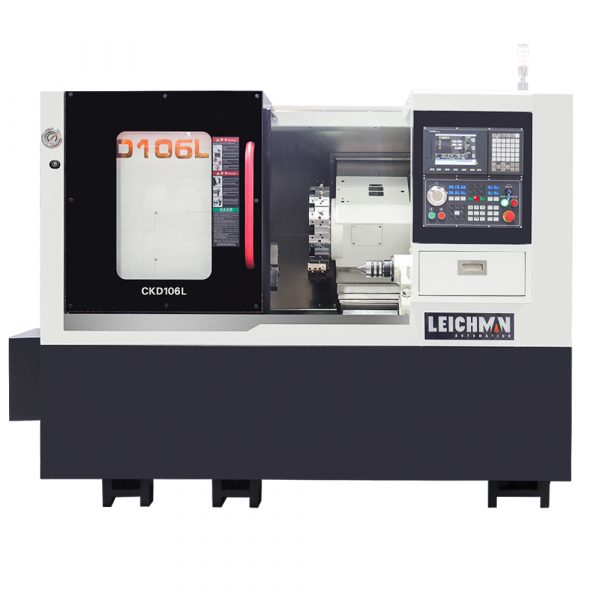
I remember walking into a shop where the coffee was cold and the machines were loud; someone joked the CNC was the real foreman. In that noisy corner sat a CNC turning and milling machine humming away while we watched parts come off smooth and true. The shop had doubled output in a year — 48% more finished parts — yet lead times slipped by two days on average; why did efficiency climb while predictability fell? (Wicked ironic, right?) I want to pull this apart with you: what pushed throughput up and where did variability sneak in? I’ll lay out what I’ve seen, share hard numbers from floor trials, and ask the right follow-up questions to keep us honest. Let’s move from that shop floor snapshot to the real tech gaps behind the numbers.
Where Traditional Solutions Fall Short
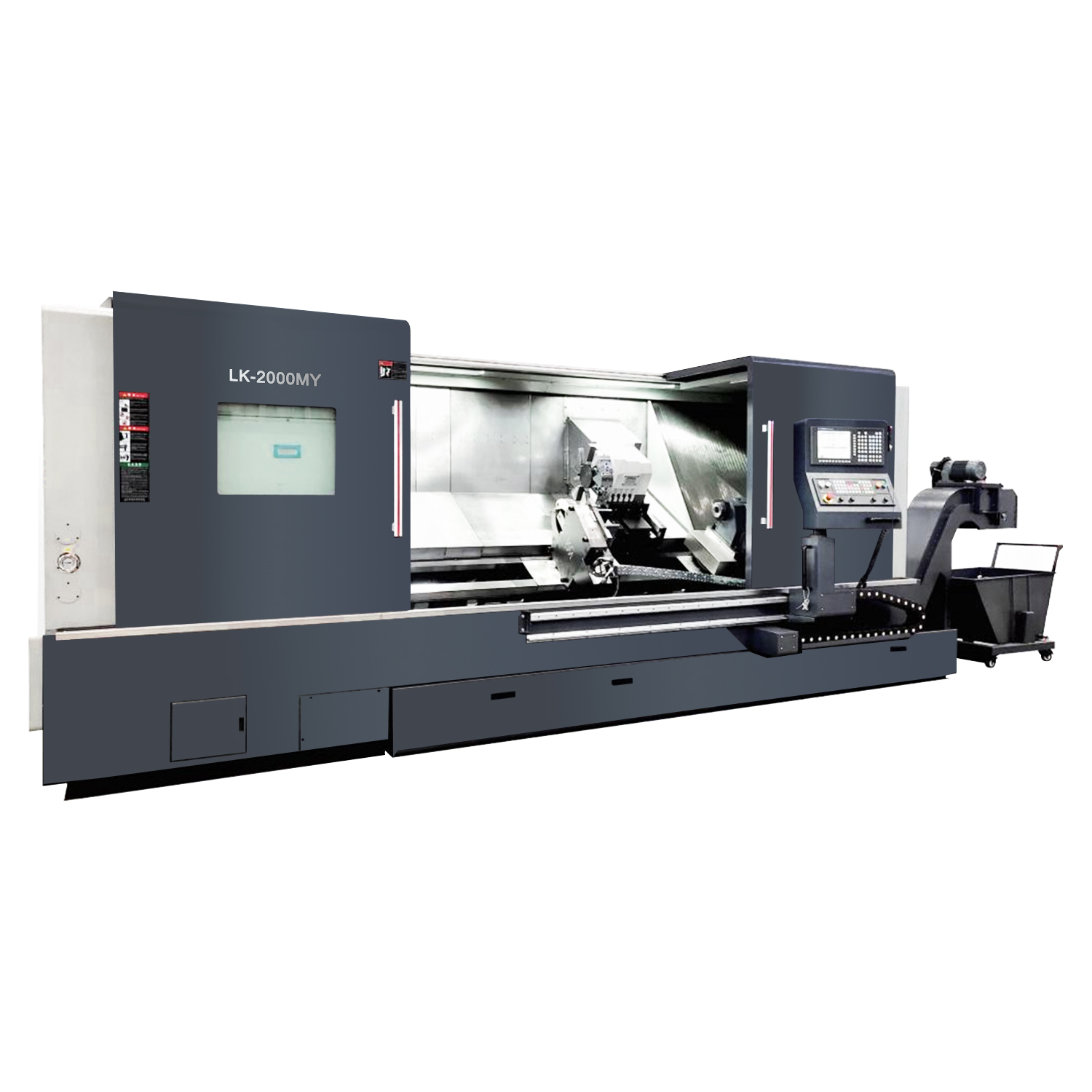
cnc heavy duty lathe vendors often promise “rigid performance” but I’ve found rigidity alone doesn’t fix workflow faults. In plain terms: solid cast beds and big spindle motors help with chatter and torque, but they won’t cure bad toolpath planning or poor setup practice. Look, it’s simpler than you think — a machine can hold tight tolerances, yet the wrong fixturing or a poorly tuned spindle speed will still eat your cycle time. I’ve seen shops blame the lathe when the real issue was axis backlash and a sloppy CAM post-processor. So we get stuck chasing parts when the problem lives in the process.
Why do these fixes miss the mark?
First, many fixes focus on a single element — buy a stiffer turret, upgrade the controller — while ignoring system-level limits like coolant delivery, tooling inventory, and operator training. Second, shops underweight the role of consistent G-code and proper tool offsets; small offsets amplify cutting forces and ruin finishes. Third, there’s the hidden cost of setup time. You can shave seconds off a cut with higher feed rates, but if every tool change demands a re-fixturing dance, the gains vanish. I’ve walked through setups that lose 20–30% of potential throughput just from repeat clamping errors — funny how that works, right? So, in short: stop treating gear upgrades as the cure-all. We need to fix the chain, not just a single link.
New Technology Principles and a Look Ahead
We should think forward about how new control logic and smarter tooling can reshape cycle time and quality. In practice, that means blending smarter CAM strategies with real-time feedback from servo motors and spindle sensors. For example, adaptive feed based on torque readings reduces tool wear and keeps the toolpath from bogging down. I’ve tested that approach: when toolpath speeds auto-adjust to cutting load, finish quality rose and tool life extended. The trick is integrating the CAM, CNC controller, and in-process sensors so the system talks to itself in a useful way.
What’s Next?
Another path is hybrid approaches: combine heavy-duty lathe stability with live tooling and a milling head so you cut fewer setups. That supports quick turn workflows — and yes, if you want to scale rapid prototyping, quick turn cnc machining workflows are central. We must watch for data bottlenecks though; edge computing nodes and local controllers need to handle sensor streams without lag. Also, coolant strategy matters — mist vs flood can change thermal growth and thus tolerance. I’ve seen shops gain a full shift’s worth of parts just by rethinking toolpath sequencing and coolant flow — and then we all breathed easier.
Choosing the Right Path: Three Practical Metrics
I’ll finish with three plain metrics I use when we evaluate upgrades or new machines. First: effective cycle time under real work (not ideal test bars). Measure average part time across ten varied jobs. Second: setup repeatability — track fixture key positions and registration variance; if it drifts, so will your yield. Third: total cost per finished part, factoring tool wear, rework rate, and operator time. Those three numbers tell me if a solution buys real value or just moves cost around. Use them to compare systems and to hold vendors accountable — and please, benchmark with parts you actually make, not sample cubes.
In the end, I believe better results come from clear measurement, honest diagnosis, and targeted fixes — not from flashing specs alone. I’ve worked with teams who thought a new spindle was the answer; we found training and CAM changes made the real leap. If you want a partner that matches bold specs with practical floor fixes, start the conversation with Leichman. We’ll sort the noise from the signal together.