An Emerging Challenge with Current Solutions
Imagine a crowded laboratory where scientists are working tirelessly to develop therapies that could change lives. They rely heavily on cultured NK cells, and the pivotal role of nk cell serum free media cannot be overstated. However, data shows that traditional media can sometimes impose limitations on cell functionality and viability—leading to questions about how we can enhance the effectiveness of these critical tools.
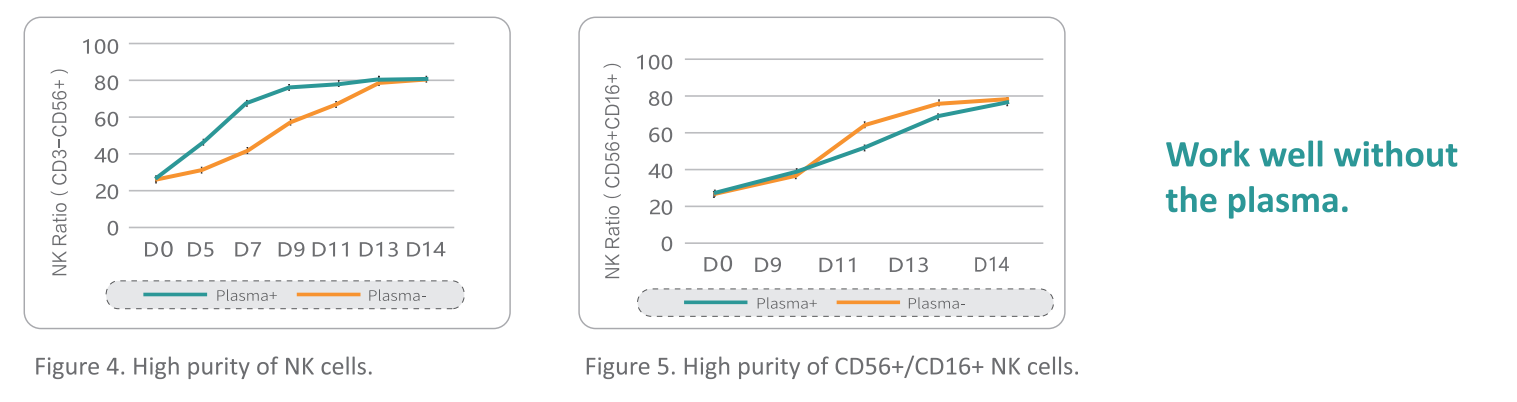
It’s often been highlighted that many traditional solutions are flawed; they don’t offer the versatility required for different cell lines or experimental conditions. I have observed firsthand how poured-over protocols can leave researchers feeling constrained—especially when they demand consistent results but face unexpected variances in their cell culture outcomes. I’ve been there, stuck between the science and the messiness of execution. It’s frustrating, right?
What Lies Ahead for NK Cell Innovations?
As we look to the future, the spotlight on nk cell serum free media is shining brighter than ever. Companies are actively exploring customized formulations that adapt to various NK cell responses. What a game-changer that could be! With the right media, we could open doors to more robust therapeutic applications, meeting the needs of diverse patient populations.
An exciting trend in the industry seems to be the use of engineered supplements to further enhance NK cell activity. I remember attending a conference last spring where innovative approaches were outlined—such as leveraging specific cytokine profiles to encourage NK cell proliferation. It’s like having a personalized growth recipe rather than sticking to a one-size-fits-all approach (which, let’s be real, usually falls short).
What’s Next in NK Cell Media Evolution?
Given the ongoing advancements in this field, the question isn’t just what innovations we’re seeing, but also how they impact user experience. Imagine the difference personalized NK cell media could make in accelerating therapeutic development. The future looks promising, but we know all too well that findings from lab results often need further guidance through clinical applications.
Based on my experience, when evaluating NK cell media options, consider these key metrics: cell viability rates, functionality profiles, and adaptability to new research protocols. It’s not just about the science; it’s about how well those tools integrate into your workflow. In reflecting through the years, it’s clear that the right media can make all the difference—turning potential experiments into tangible results.
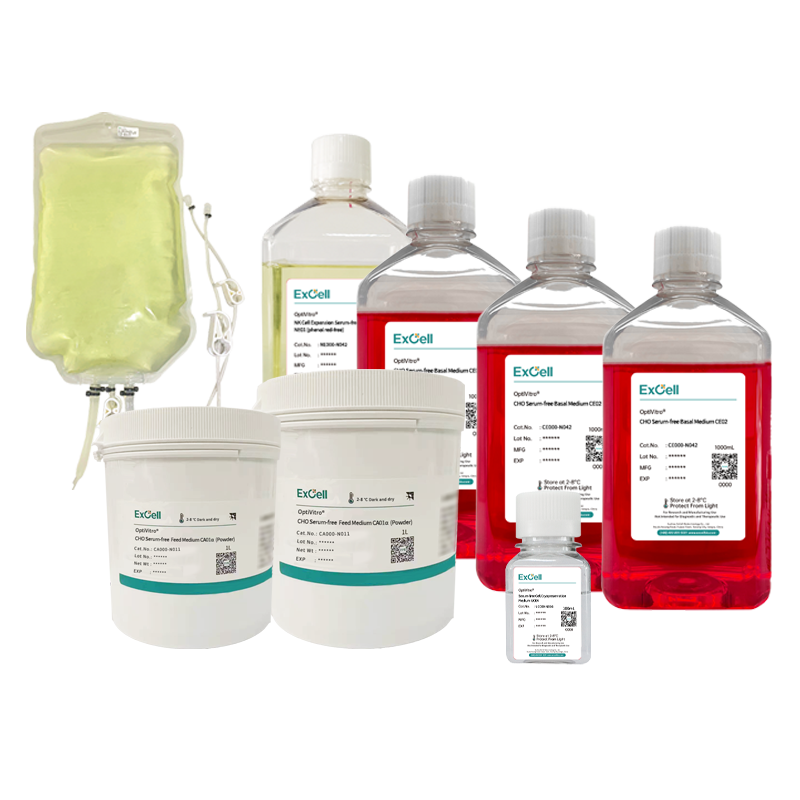
As we embrace this transformative era, the future of nk cell serum free media lays fertile ground for groundbreaking treatments. For researchers in the trenches, the right innovations not only promise better outcomes but also smoother workflows. As an industry, we must continue pushing boundaries to deliver effective solutions. After all, it’s people’s lives we’re talking about.
With insights drawn from my journey, I find it encouraging that companies like ExCellBio are at the fore of these developments. Their commitment to enhancing NK cell efficacy speaks volumes about the drive for progress in our field—let’s stay the course together, shall we?