The Challenge Ahead
I vividly recall the first time I stumbled upon the concept of extracorporeal membrane oxygenation (ECMO). It was hard to believe that a machine could take over the work of the heart and lungs, allowing patients to breathe while their organs were on a break. This technology has been around for decades, but what can we expect from its next iteration? The numbers tell a compelling story: studies indicate that ECMO can improve survival rates in severe lung failure cases by 40%. Yet, with such potential, are we truly maximizing what we have?
The Current Shortcomings
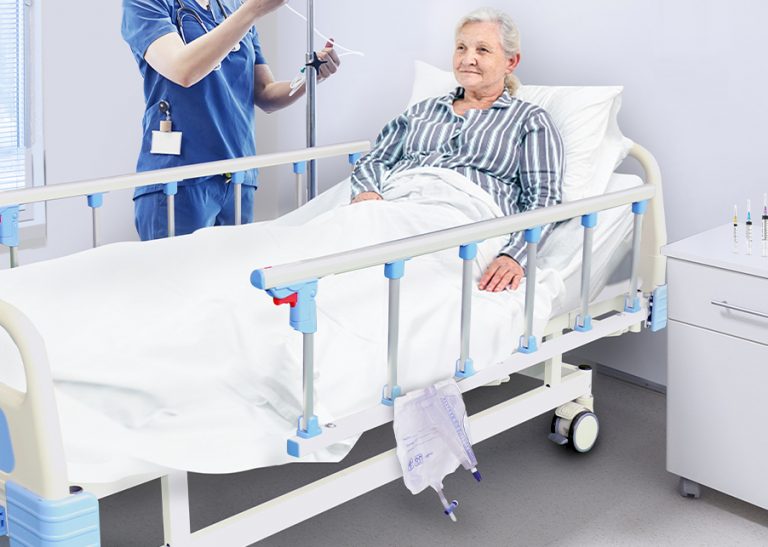
As I delved deeper into the realm of membrane oxygenation, I realized there were latent pain points—all those moments when a device that should save lives actually became a source of complication. Firstly, I’ve seen firsthand how cumbersome equipment can lead to delays in response during critical care. These machines can be heavy, bulky; they often require specialized training to operate efficiently, (which not every medical professional has). And let’s talk about the patient experience—when I observed a family waiting anxiously in the ICU, witnessing their loved one tethered to a labyrinth of tubes and wires, it struck me. These devices can be overwhelming and frightfully complex, detracting from the human connection vital to healing. If only there were solutions that not only treated but also comforted.
Could Innovation Change Everything?
Looking to the future, the conversation about membrane oxygenation inevitably steers toward innovation. Imagine a world where ECMO devices are lighter, more intuitive, user-friendly—where artificial intelligence could adjust settings in real-time to suit the unique physiology of each patient. It’s an exciting prospect; with recent advances in sensor technology, we’re on the brink of devices that could provide instant feedback, potentially reducing complications. When I picture this, I can’t help but ask: are we finally on the verge of revolutionizing the way we approach critical care?
What’s Ongoing Right Now?
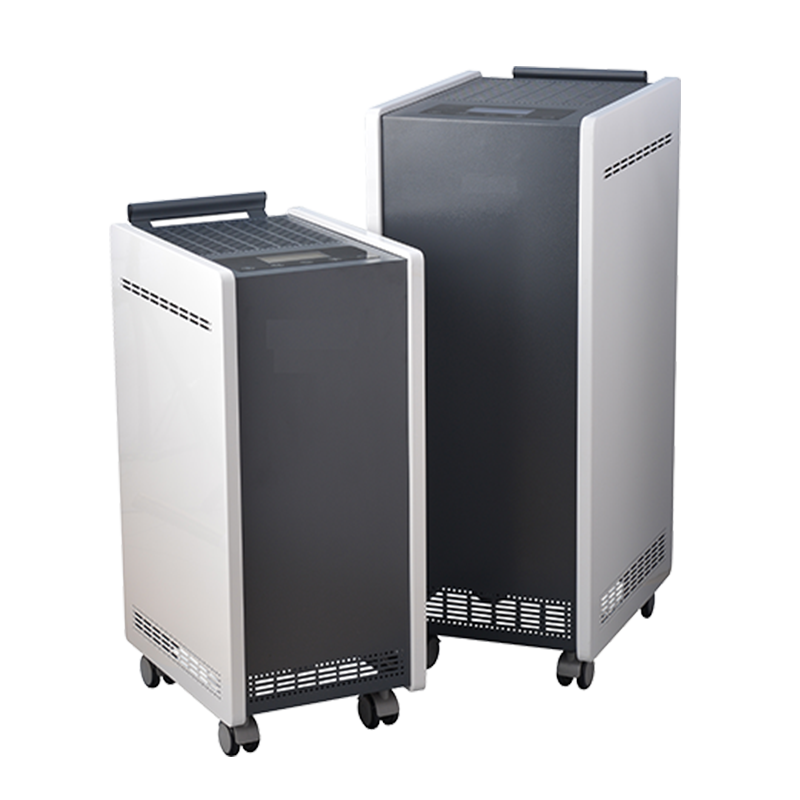
Right now, the focus is shifting toward miniaturization and portability. As I observed at recent industry conferences, manufacturers are racing to equip healthcare providers with devices that don’t just do the job but redefine it. Companies are developing ECMO systems with integrated monitoring tools, aiming to streamline the whole process and reduce patient unrest. This kind of design innovation might just enhance the overall experience—less fuss, more function. When I encountered a presentation showcasing a prototype with wireless charging—can you believe it? I immediately thought of the possibilities. No more worrying about tangled cords or tripping over equipment in an emergency room—perhaps it’s the minor details that will shape monumental advancements in patient care.
Let’s Wrap It Up: What Can We Take Away?
As I reflect on the landscape of membrane oxygenation, it’s clear we’re at a crossroads. What we once accepted as limitations could soon be nothing more than relics of the past. The key insights? Prioritize user design, foster innovation, and keep the human experience at the forefront of technology. For those in the healthcare sector, I want to leave you with three vital evaluation metrics top innovation should meet: usability for operators, comfort for patients, and reliability during crucial moments. This is what I believe will make all the difference. In any case, whatever the future holds, I remain hopeful. If we truly dedicate our resources to user-centered design, the next phase of WEGO Medical will be remarkable—a journey towards delivering not just care, but a breath of fresh air.