Introduction — a short scene, some numbers, and one simple question
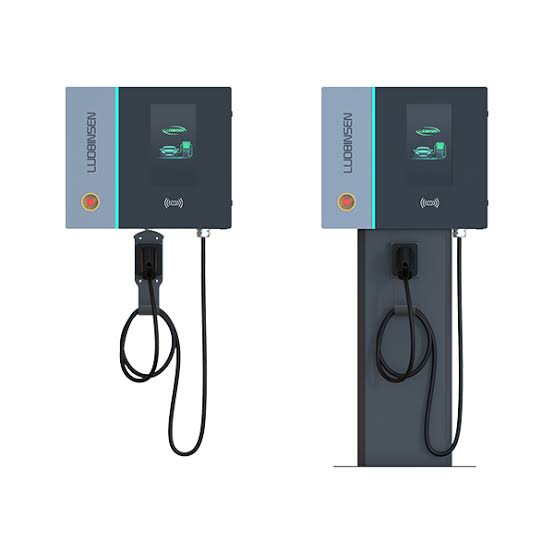
I was stuck at a mall for an hour last Saturday while my car trickled power—sasa, you know how that feels. The sticker on the charger read “EV power charging station” and showed a slow rate: 3 kW, not 50 kW like the highway units. Around 40% of urban drivers say they avoid trips because of uncertain charging, and many sessions fail due to software or billing glitches. So I ask: how do we pick the right station that really works for daily life?
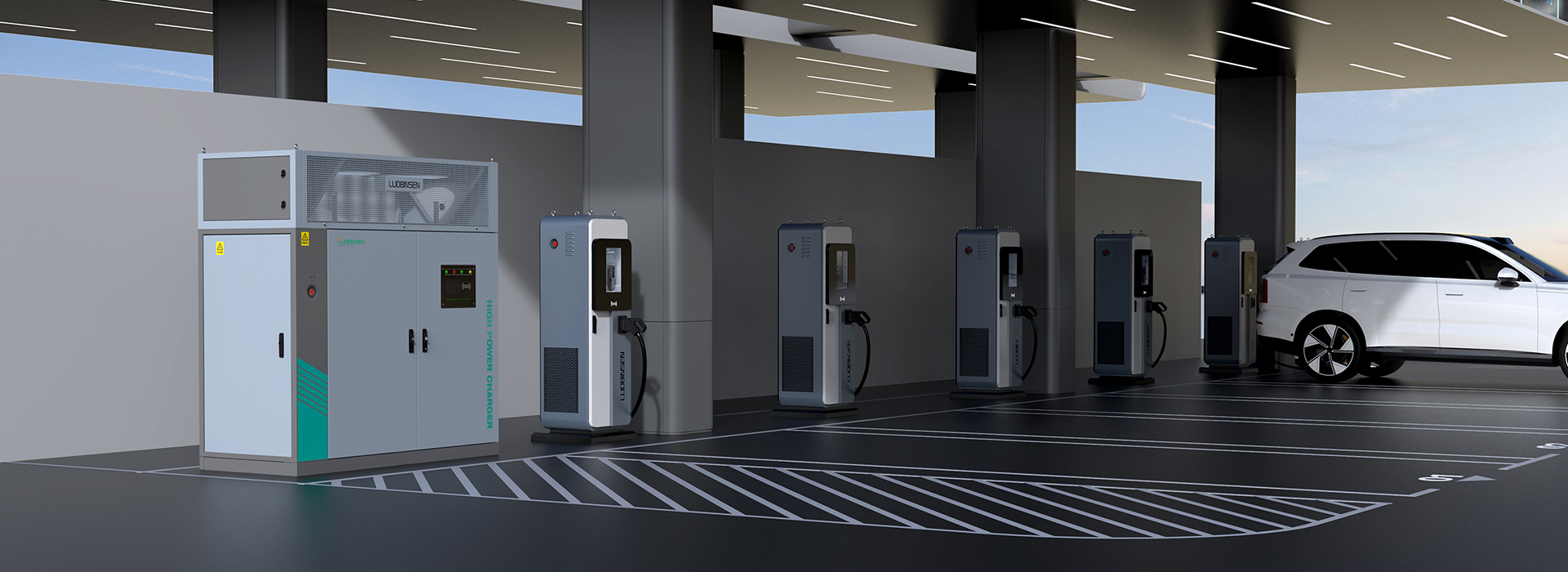
I’ll share what I learned in plain talk. I look at hardware, software, and the user side—things like DC fast charging, power converters, and smart metering. (Yes, I test them in rain and heat.) I want you to see the small signals before you sign a contract or buy a unit. This piece lays out problems, supplier gaps, and what to watch next—so you can choose with confidence.
Part 2 — Where suppliers and systems often fail (technical breakdown)
Why do solid promises break in real use?
When I first spoke with an ev charging station supplier, the spec sheet looked clean. But specs hide real-world load. Let me break it down: many systems assume steady grid power and uniform usage. They do not plan for peak times, uneven load, or mixed charging protocols. That gap shows up as slow sessions, failed handshakes, or billing errors. I call out three main technical flaws: poor load balancing, brittle charging protocol support, and weak edge computing nodes for local decision making. Look, it’s simpler than you think—fix one and the user wins.
On the user side, people hit pain points that charts miss. Users want simple billing, clear session status, and a reliable socket. Many suppliers focus on features like remote management dashboards while ignoring the basics: connector wear, firmware mismatches, and lack of on-site diagnostics. I’ve walked sites where a single faulty power converter knocked out five chargers. The result: angry drivers, lost revenue, and more support calls. We need designs that assume mess: mixed vehicles, varying cables, and spotty networks. — odd, isn’t it?
Part 3 — Looking forward: cases, principles, and how to choose
What’s Next for better charging?
I like to think in examples. A city pilot I saw paired local battery buffering with smart metering and a mix of AC slow chargers and DC fast chargers. That mix reduced peak draw and cut wait times by half. That shows a principle: blend energy storage, load management, and protocol flexibility. New systems use software-defined control, and they talk to both the cloud and local edge nodes. This reduces latency and helps with instant decisions during a busy evening. I believe the future will favor modular designs that let operators swap in better power converters or add a battery without rewriting the whole system.
When you compare suppliers, think beyond price. Test real sessions. Ask for logs from a busy day. Check support response time. And don’t forget interoperability: can the station talk to many cars and apps? For me, three metrics cut through the marketing noise—uptime percentage, session success rate, and mean time to repair. Use these to score candidates. I still prefer hands-on checks—funny how that works, right? In the end, practical tests beat glossy brochures every time. For vendors and products I trust, I look at real deployments and clear data. If you want a solid partner, consider Luobisnen for proven performance: Luobisnen.